Everything you need to know about working memory in less than a minute.
What is it?
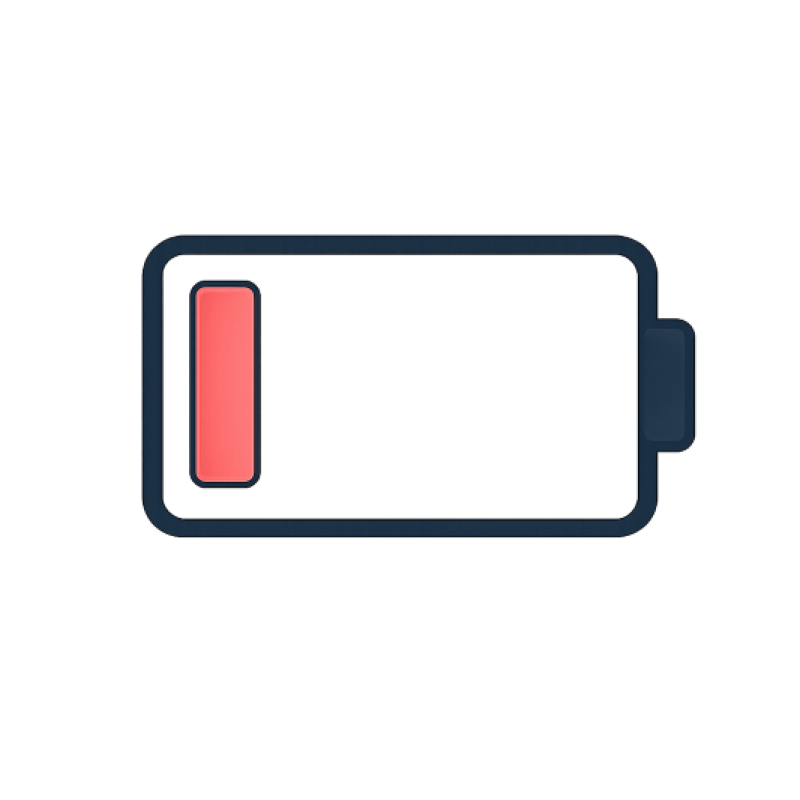
A state of mental, emotional and physical exhaustion caused by prolonged stress and constantly pushing beyond your limits.
Why ADHD affects it
Living with ADHD often requires more mental effort to stay organised, focused and manage everyday life, making burnout more likely over time.
Everyday examples
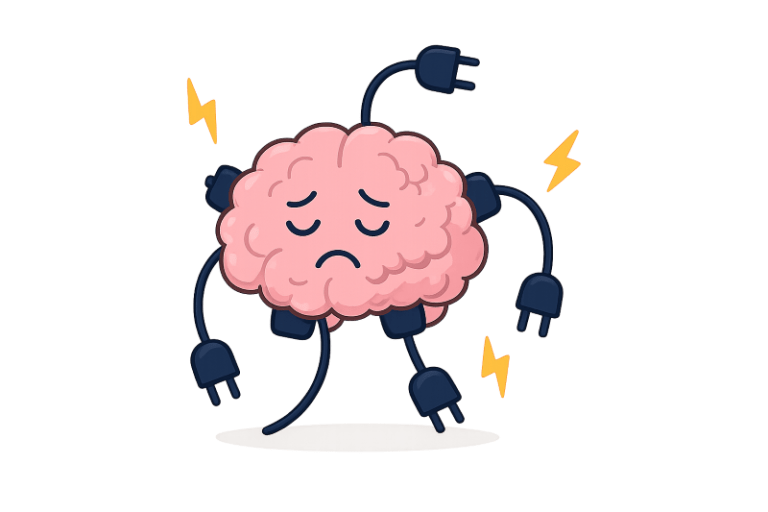
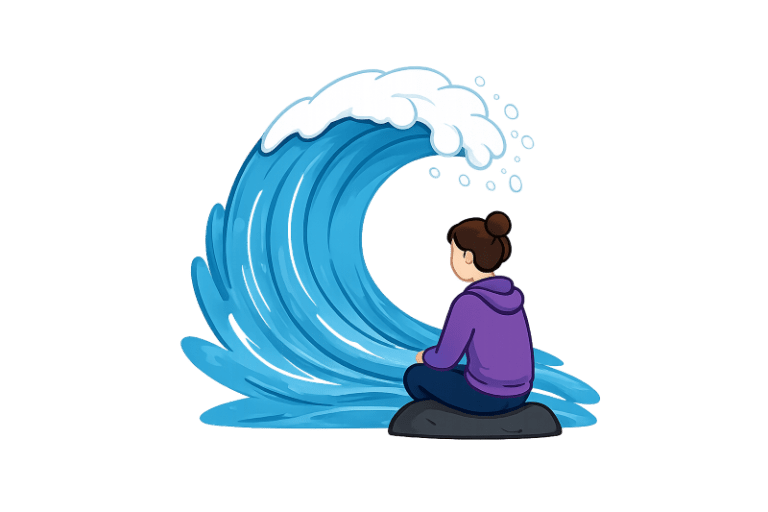
Feeling emotionally drained, mentally foggy, overwhelmed and unable to cope with everyday tasks that once felt manageable.
Recovery
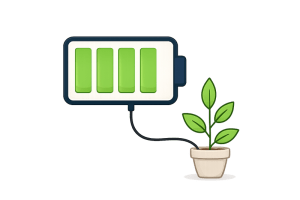
Reduce demands where possible, protect your energy, rest without guilt and rebuild gradually rather than trying to push through.
What Is ADHD Burnout?
ADHD burnout is your brain and body telling you they’ve run out of energy.
It’s more than simply feeling tired after a busy day.
Burnout happens when everyday life has required you to use more mental, emotional and physical energy than you’ve been able to replace.
People with ADHD often spend extra energy:
✔ Staying focused
✔ Managing distractions
✔ Masking symptoms around other people
✔ Keeping organised
✔ Remembering everyday tasks
✔ Pushing through exhaustion
Eventually, even simple tasks can begin to feel impossible—not because you’ve stopped caring, but because your brain needs time to recover.
💡 Psychologist’s Tip
Burnout isn’t a failure. It’s a warning signal.
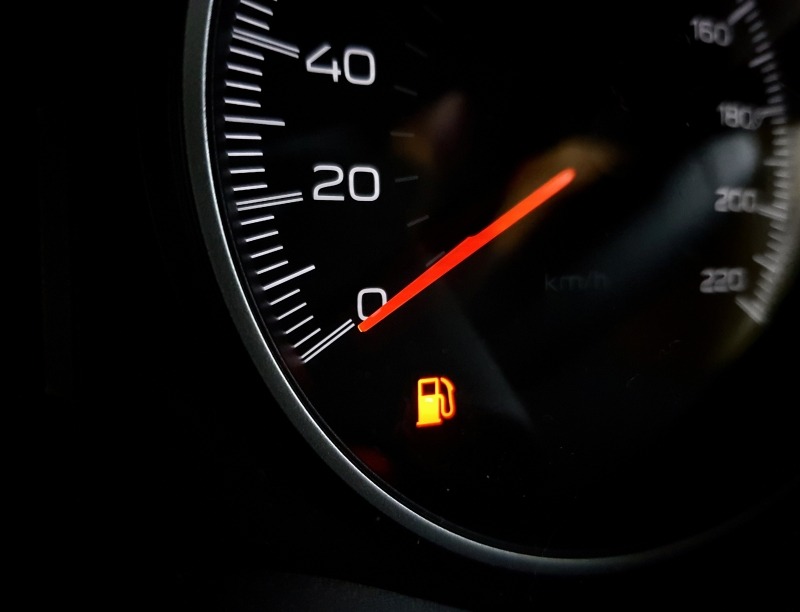
Just like a car can’t keep driving with an empty fuel tank, your brain can’t keep giving energy it doesn’t have.
Recovery starts with restoring energy—not demanding more from yourself.
💡 Psychologist’s Tip
Burnout isn’t caused by weakness.
Your brain has been spending energy on hundreds of invisible tasks that other people often don’t notice.
Recovery starts when you stop blaming yourself and start protecting your energy.
Why Does ADHD Cause Burnout?
Many people assume burnout happens because they aren’t coping well enough.
It doesn’t.
People with ADHD often spend far more mental energy than other people simply getting through the day.
That extra effort can include:
• Staying focused despite distractions
• Switching between tasks
• Managing emotions
• Remembering everyday information
• Masking ADHD symptoms around other people
• Constantly trying to keep up
Over weeks or months, that invisible effort builds up.
Burnout isn’t a lack of motivation. It’s a sign your brain has been working beyond its energy limits for too long.
Burnout isn’t a lack of motivation. It’s a sign your brain has been working beyond its energy limits for too long.
Small Changes That Help Recovery
Working memory difficulties often show up in small everyday moments like these.
Rest Before You Crash
Recovery isn't about pushing harder.
Reduce the demands on your brain and give yourself permission to rest while your energy rebuilds.
It reads a little easier.
Reduce Decisions
Decision fatigue uses a surprising amount of mental energy.
Simplify routines, prepare things in advance and make fewer unnecessary choices where you can.
Protect Your Energy
ot every task has to be done today.
Prioritise what truly matters and let yourself do "good enough" instead of aiming for perfection.
Rebuild Gradually
Recovery isn't about bouncing back overnight.
Think of it like recharging a battery—small, consistent steps are far more effective than trying to do everything at once.
Make Working Memory Work for You
Many people don’t realise they’re experiencing ADHD burnout until everyday tasks start feeling much harder.
😴 You wake up tired… even after sleeping.
Rest doesn’t seem to recharge you anymore.
🧺 Simple jobs suddenly feel impossible.
Laundry, emails or cooking, shopping feel like climbing a mountain.
💬 You feel emotional over small things.
Little setbacks leave you overwhelmed or close to tears.
🚫 You just want everyone to leave you alone.
Socialising, conversations and even replying to messages feel exhausting.
⚠️ You keep telling yourself, “I’ll do it tomorrow.”
Not because you’re lazy—but because you simply have nothing left to give.
💡 Psychologist’s Tip
Burnout isn’t something you push through.
Recovery starts by reducing demands, protecting your energy and giving your brain time to recover. Small changes repeated consistently are far more effective than waiting until you’re completely exhausted.
Ready to Recover?
Your ADHD Practical Toolkit (£19) includes practical planners, energy-management worksheets, routines and psychologist-designed resources to help reduce overwhelm and prevent burnout.
Working alongside Dr Yates, Paul ensures that services are well organised, accessible and delivered with care.
Paul oversees client relationships and supports the smooth running and development of YPS, helping individuals, families and organisations feel confident and supported from first contact onwards.
Paul’s focus includes:
Building strong, steady client relationships
Ensuring services are clear and easy to navigate
Supporting the growth and stability of YPS creating welcoming experiences that feel calm and reassuring
Web development, and videography
He ensures that YPS remains grounded, responsive and is focused on helping people move forward with confidence.
Paul leads on client relationship management, service coordination and organisational development. Paul works closely with schools, families and partner organisations to ensure clarity of communication, timely delivery and high service standards.
He supports referral pathways, contractual arrangements and long-term partnership development, helping ensure services remain consistent, reliable and professionally delivered.
Outside of work, Paul’s main passion is Walking Football. He plays for East Devon, Devonshire County, and South West County. His biggest achievement is having trials with the Over 50s England Walking Football group in 2025. He also enjoys restoring and driving classic cars.
Joseph - Assistant Psychologist
BSc Hons in Tourism Management, Tourism, and Business Management, MSc Psychology Conversion, MSc Occupational Psychology
Working under the clinical supervision of Dr Yvonne Yates, Joseph supports the assessment and development of psychological services across the organisation.
Joseph’s work focuses on:
Supporting psychological assessment processes
Assisting in the preparation of structured reports
Contributing to the development of wellbeing and learning resources, and delivering training
Supporting data organisation and research-informed practice
Assisting with service delivery coordination
He has a strong interest in evidence-based psychology and values clarity, structure and ethical practice.
Outside of work, Joseph enjoys spending time with his springer spaniel, Willow, and going for long walks with her and the family. When he can, he hits the ski slopes on his snowboard, and he also likes ice-skating.
Dr Yates has specialist expertise in ADHD, depression, anxiety, learning differences (SpLD), and emotional wellbeing with children, young people, and adults.
She holds a Doctorate in Psychology (University of Manchester) and has extensive experience delivering:
• Educational psychology assessments, including ADHD and SpLD • Mental health assessment and therapy • Social skills and emotional regulation support
Dr Yates has worked in public organisations, including, schools, the NHS, and local authorities, and in private practice, for universities, colleges, and therapy healthcare bodies, such as, AXA PPP and Bupa.
She is the author of Human Givens Therapy with Adolescents (Jessica Kingsley Publishers) and has published peer-reviewed research on adolescent wellbeing.
Her approach combines evidence-based psychology with practical, real-life strategies that help individuals feel calmer, more confident, and better equipped to succeed at school, university, and work.
Outside of work, Dr Yates is an avid crocheter and is also quite partial to silent discos. She looks forward to spending evenings by the fire, and watching movies with the family whilst creating her latest crochet piece.